


Updated July 2026
How to Clean and Maintain a Carbon Fiber Pool Cue Shaft
Carbon fiber pool cue shafts are far easier to maintain than maple shafts — but they still need regular care to keep performing their best. This guide covers daily cleaning, deep cleaning, what to avoid, and when to send a shaft in for professional service.
Daily and Weekly Clean
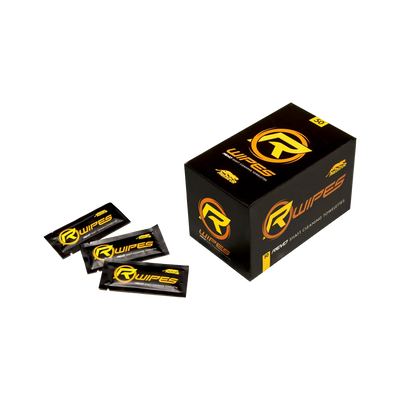
For daily maintenance, wipe your carbon fiber shaft with a clean, dry microfiber cloth after every session. For a weekly deep clean, use Predator REVO Cleaning Wipes or a damp cloth, then dry buff. Avoid alcohol-based solvents, abrasive cleaners, and traditional shaft burnishers — these are designed for wood and can damage the carbon fiber finish.
Why carbon fiber is easier to maintain
Maple shafts require frequent care because the wood absorbs chalk dust, skin oils, and moisture. Maple shafts need periodic conditioning, deep cleaning with specialized products, and careful storage to maintain consistent feel and performance.
Carbon fiber composite doesn't absorb anything. Chalk dust and oils sit on the surface rather than penetrating into the material. This means cleaning is faster, simpler, and less frequent — and the shaft never needs conditioning oils or sealants.
Daily maintenance (30 seconds)
After every playing session:
1. Pull a clean microfiber cloth lengthwise along the shaft from joint to tip
2. Repeat 3-4 times, rotating the shaft to cover all sides
3. Pay attention to the area near the tip where chalk accumulates most
4. Wipe down the joint area separately
That's it. No conditioning oils, no waxes, no powders. The goal is simply to remove the surface layer of chalk dust and skin oils before they have a chance to build up.
Weekly deep clean (5 minutes)
Once a week, or after particularly heavy sessions:
Option A — Predator REVO Cleaning Wipes (recommended)
1. Use one wipe per shaft
2. Apply firm pressure and pull lengthwise from joint to tip
3. Rotate and repeat until the entire surface has been cleaned
4. Allow to air-dry for 1-2 minutes before playing
Option B — Damp microfiber cloth method
1. Dampen a clean microfiber cloth with water only (no soap, no chemicals)
2. Wring out so the cloth is damp, not wet
3. Wipe the shaft lengthwise from joint to tip
4. Immediately follow with a dry microfiber cloth to remove moisture
5. Allow to air-dry completely (1-2 minutes) before playing
The damp cloth method works well for routine cleaning. The Predator wipes are designed specifically for our carbon fiber finish and contain mild cleaning agents that are safe for REVO shafts.
What NOT to use
Some common shaft cleaning products and methods that are appropriate for maple but will damage carbon fiber:
- Isopropyl alcohol or other solvents — Can damage the carbon fiber finish and dull the surface over time
- Shaft burnishers (leather or paper) — Designed to compress maple grain; can scratch the carbon fiber surface
- Abrasive cleaners — Including any cleaner labeled "polish," "buffing compound," or containing pumice
- Sandpaper of any grit — Will permanently damage the carbon fiber finish
- Wood conditioning oils — Have no benefit on carbon fiber and can leave residue
- Furniture polish or wax — Leaves a film that affects cue ball action
If you have an old maple shaft cleaning routine, throw it out when you switch to carbon fiber. The materials are completely different.
Storing your carbon fiber shaft
Carbon fiber is far more storage-tolerant than maple, but a few habits still matter:
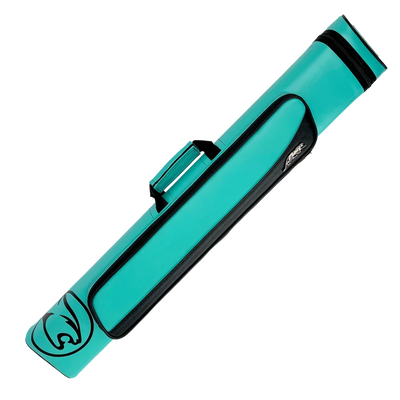
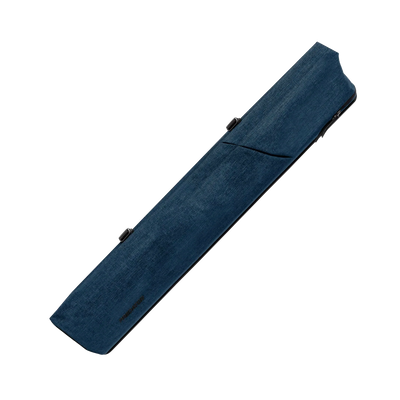
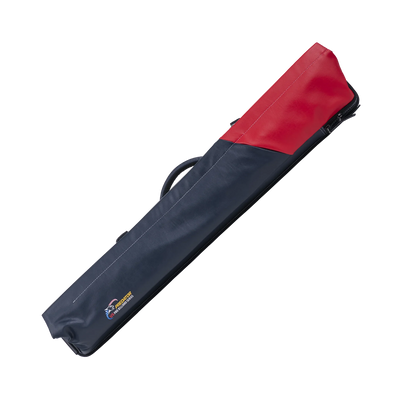
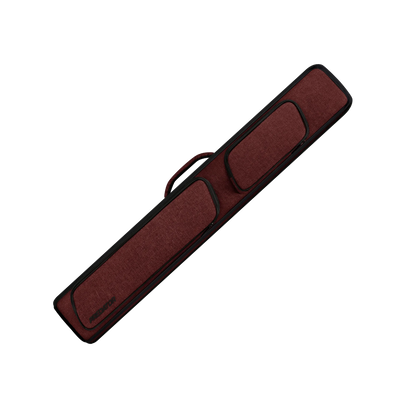
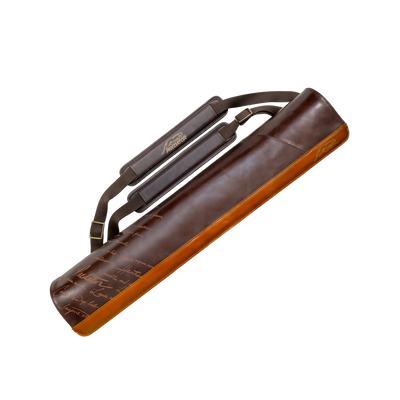
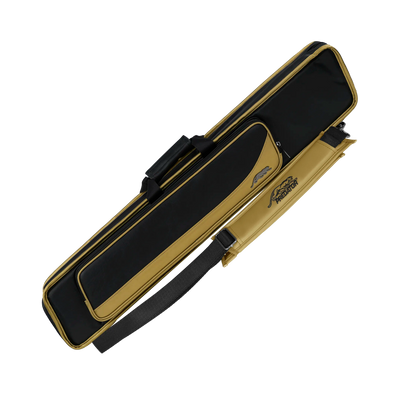
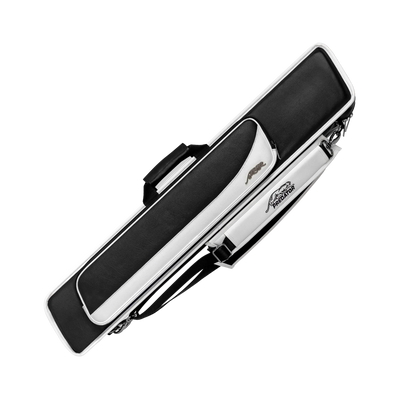
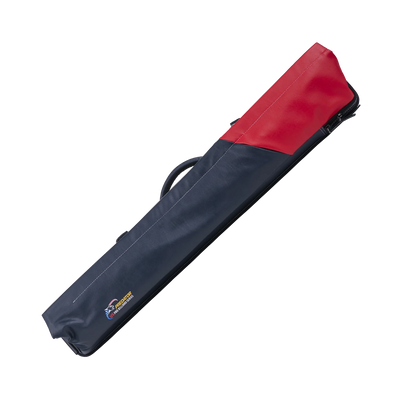
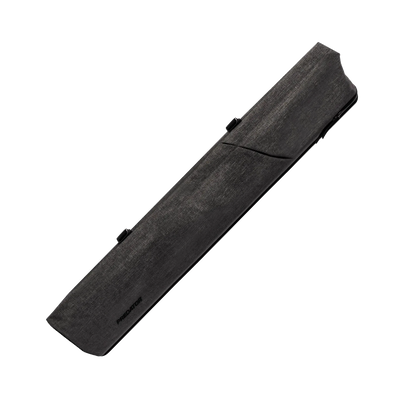
- Use a quality case — A hard case, such as the Roadline, protects against impacts during transport. Even a soft case like the Urbain is fine for daily carry.
- Avoid extreme temperatures — Don't leave your cue in a hot car (above 130°F) for extended periods. The resin matrix can soften at extreme temperatures, though this is rarely a real-world issue.
- Lay flat or hang — Either is fine. Unlike maple, carbon fiber won't warp from being leaned against a wall.
- No special humidity controls needed — Carbon fiber doesn't care about humidity. You can store it anywhere your other belongings live.
Tip care on a carbon fiber shaft
The cue tip itself is still leather or fiber, and tip care for a carbon fiber shaft is identical to tip care for a maple shaft:
- Scuff the tip occasionally to maintain texture
- Chalk before every shot
- Reshape the dome periodically using a tip tool
- Replace the tip when it becomes hard, glazed, or shaped beyond saving — typically every 6-24 months, depending on play frequency
When replacing a tip on a carbon fiber shaft, any qualified cue technician can do this. The process is identical to replacing a tip on a maple shaft.
When to send a shaft in for service
In normal use, a properly maintained carbon fiber shaft should never need professional service beyond tip work. However, consider sending the shaft in if:
- You notice any cosmetic damage (chips, deep scratches, visible cracks)
- The finish has dulled significantly, and you've tried cleaning to no effect
- The joint is loose or shows wear
- You want to upgrade to a different tip type
For warranty service or other inquiries about your REVO shaft, contact Predator directly — REVO carries a limited-lifetime warranty against warpage.
What about the joint?
The joint (where shaft meets butt) is typically metal — not carbon fiber. Clean it the same way you would any metal joint:
- Wipe with a clean dry cloth after every session
- Use Predator joint care products for deeper cleaning, or a mild metal polish on the threads only
- Avoid getting cleaning fluids into the joint hole — wipe externally only
- Apply a tiny amount of joint protector wax to threaded surfaces occasionally to prevent corrosion
Long-term outlook
A carbon fiber pool cue shaft properly maintained should play essentially the same in year ten as it does on day one. This is the fundamental value proposition of carbon fiber: minimal maintenance, maximum longevity, consistent performance throughout the ownership period.
Compare that to maple shaft maintenance, which typically requires:
- Periodic conditioning with shaft oils
- Burnishing to maintain surface texture
- Careful humidity-controlled storage
- Replacement every 3-7 years for serious players
The maintenance time difference compounds over years of ownership. This is one of the underappreciated reasons professional players have switched to carbon fiber: less time spent on shaft care, more time spent practicing.
For more on carbon fiber technology, return to our Carbon Fiber Technology page.
For more on the construction behind these cues, see our C4+ Technology hub. Shop carbon fiber pool cues or REVO shafts directly.
Cleaning REVO Shafts Questions
For daily cleaning, wipe your carbon fiber shaft with a clean dry microfiber cloth after every session to remove chalk dust and skin oils. For weekly deep cleaning, use Predator REVO Cleaning Wipes or a damp microfiber cloth followed by a dry buff. Avoid alcohol-based solvents, shaft burnishers, abrasive cleaners, and sandpaper — these are designed for wood and can damage the carbon fiber finish.
No, avoid isopropyl alcohol and other solvents on carbon fiber shafts. While alcohol is sometimes used to clean maple shafts, it can damage the carbon fiber finish over time and dull the surface. Use water-dampened microfiber cloths or Predator's REVO Cleaning Wipes instead, both of which are safe for carbon fiber composite.
No. Carbon fiber composite is a non-porous engineered material that doesn't absorb oils or conditioners the way wood does. Applying shaft oils or conditioners to a carbon fiber shaft provides no benefit and can leave residue that affects cue ball action. Simple cleaning with a dry or damp microfiber cloth is all the maintenance required.
Wipe your carbon fiber shaft with a dry microfiber cloth after every playing session — takes 30 seconds. Do a deeper clean with Predator REVO Cleaning Wipes or a damp cloth weekly, or after particularly heavy sessions. Compared to maple shaft maintenance, this is significantly less frequent and less time-intensive.
Yes, like any pool cue equipment, carbon fiber shafts can be damaged through impacts, drops, or improper care. The most common damage is cosmetic — chips or scratches from drops or contact with hard surfaces. Structural damage is rare due to the strength of carbon fiber composite, but possible in extreme cases. Predator REVO shafts carry a limited-lifetime warranty against warpage. For other damage, contact Predator service for repair or replacement options.
Yes. Wearing a billiard glove keeps skin oils off the shaft and gives a smoother, more consistent stroke, which means less chalk and oil buildup and less frequent cleaning. Many players who use a glove find their carbon fiber shaft stays cleaner between wipe-downs.
No. Household disinfecting and bleach wipes contain chemicals and sometimes mild abrasives that can dull or damage a carbon fiber finish. Stick to a dry or water-dampened microfiber cloth, or Predator REVO Cleaning Wipes, which are formulated for the REVO finish.
Chalk less heavily, keep your bridge hand clean, and wipe the shaft with a dry microfiber cloth after each session. Because carbon fiber is non-porous, chalk and oils sit on the surface and lift off easily, so a quick daily wipe is enough to prevent buildup.


