


Updated July 2026
Carbon Fiber vs Maple Pool Cue Shafts: Which Is Right for You?
The choice between a carbon fiber pool cue shaft and a maple pool cue shaft is the biggest equipment decision most serious players will make. Both can deliver tournament-grade performance. Both have legitimate strengths and trade-offs. This article gives you an honest comparison and a clear answer for which one fits your game.
Which to Pick?
- Choose carbon fiber if you want maximum consistency, you travel with your cue, you play in varied climates, you use side-spin frequently, or you want a shaft that performs the same for decades.
- Choose maple if you specifically prefer the warmer feel of wood, you play in a controlled climate, you value the traditional aesthetic, or budget is a primary constraint.
For most serious players in 2026, carbon fiber is the right answer. But "right" depends on what you value — both materials remain valid choices. Check out our Carbon Vs. Wood Comparison Guide to see the benefits of these materials side-by-side.
Where carbon fiber wins
Dimensional stability
Maple wood absorbs moisture from humid air, contracts in dry air, and can warp if stored improperly. The shaft you practice with at home can perform differently in a tournament venue 1,000 miles away. This is the single biggest reason professional players switched to carbon fiber: the shaft plays the same everywhere, every time.
Carbon fiber composite doesn't absorb moisture. It doesn't shift with temperature. The shaft you bring to a tournament hits exactly the same as the shaft you practiced with last night.
Lower cue ball deflection on spin shots
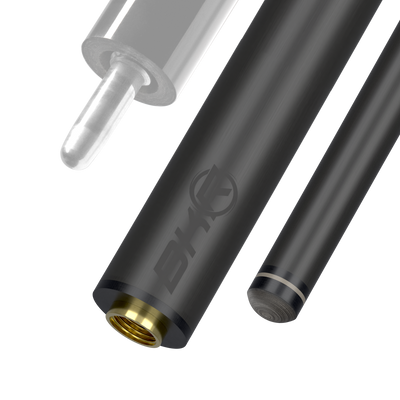
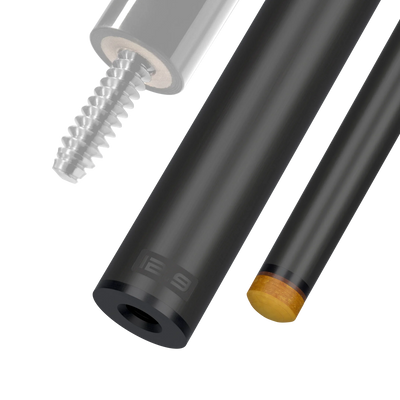
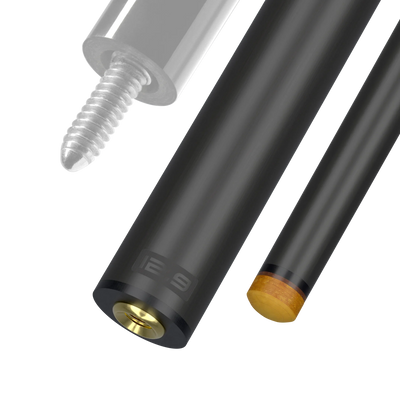
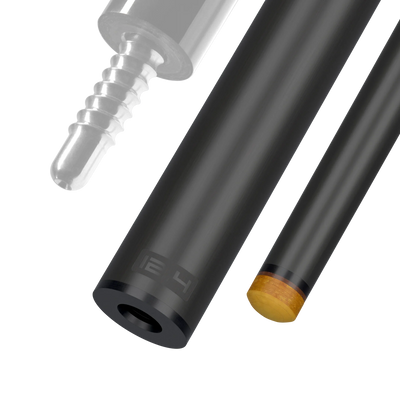
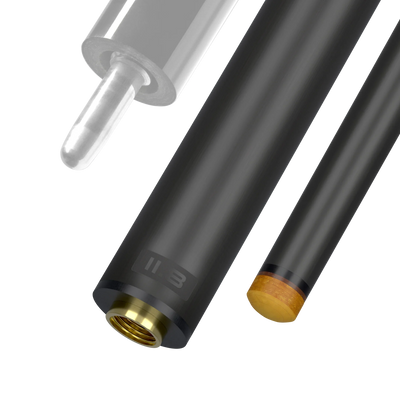
Cue ball deflection (squirt) is the amount the cue ball deviates from your aim line when you apply side-spin. Predator REVO shafts have the lowest front-end mass in the industry, which produces the lowest deflection. The practical impact: when you aim for a specific point on the cue ball with english, the cue ball goes closer to where you aimed.
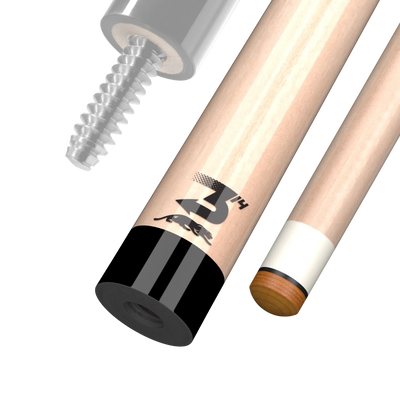
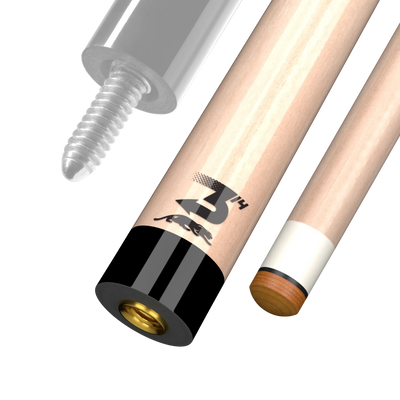
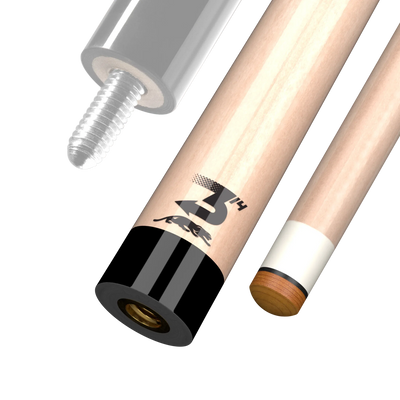
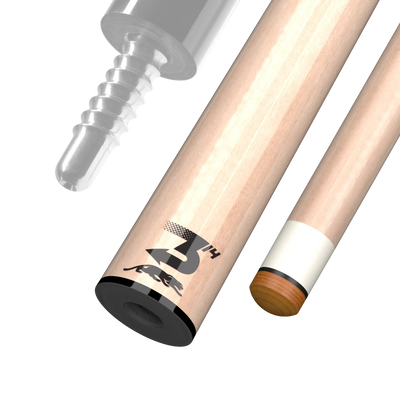
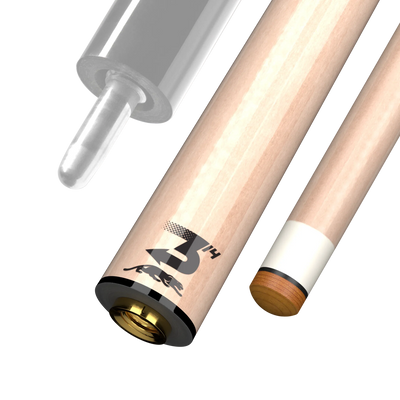
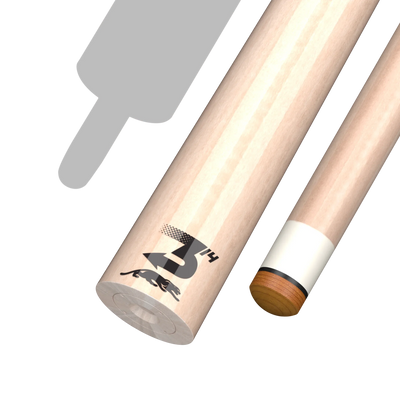
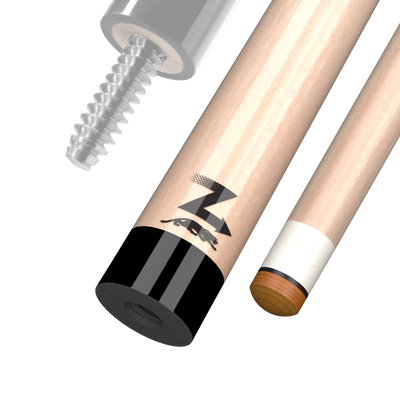
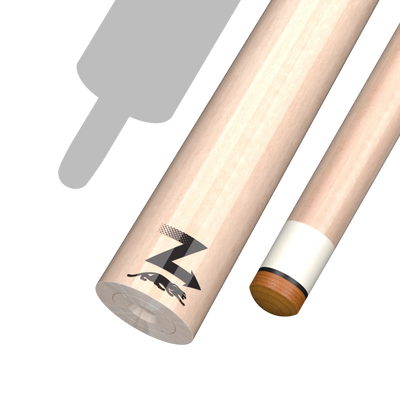
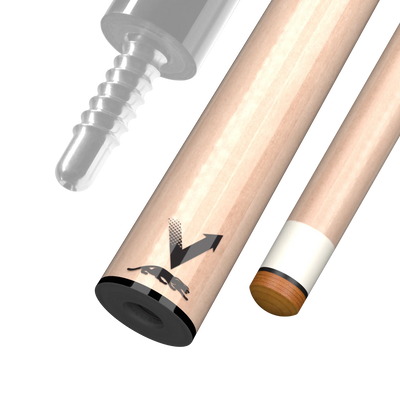
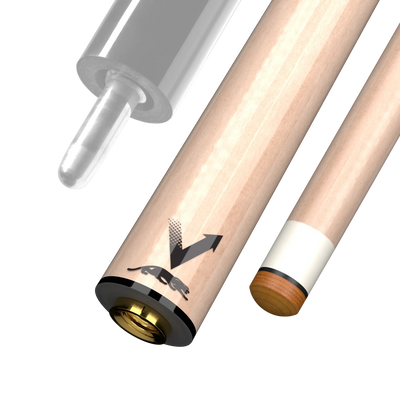
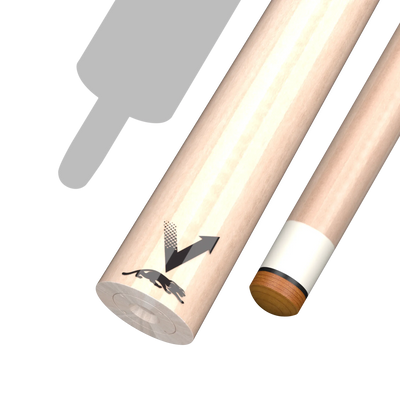
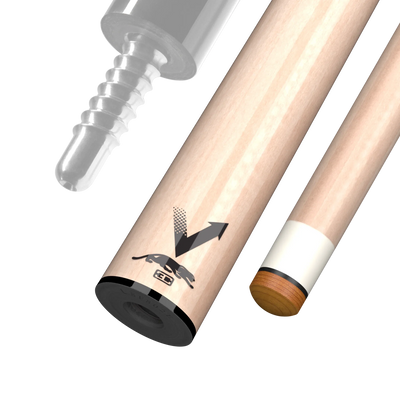
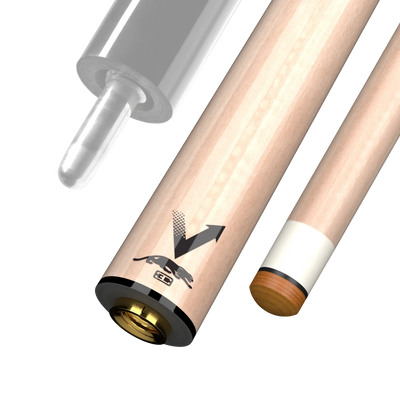
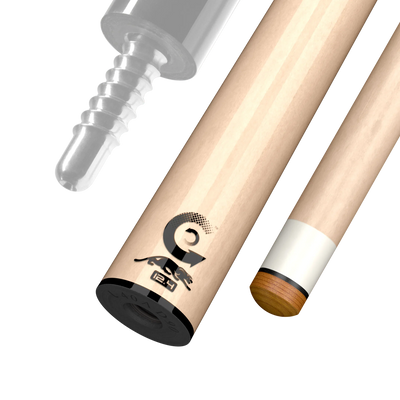
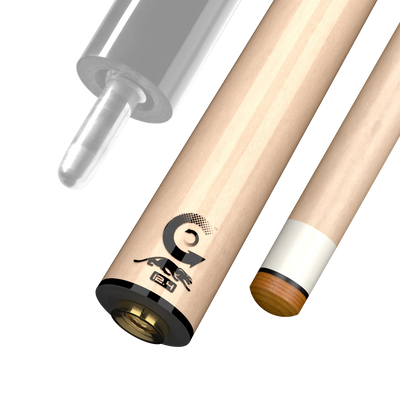
Predator's top maple shafts (314-3, Z-3, Vantage, Centro, Centro Hybrid) are also low-deflection — significantly more so than generic maple — but REVO sets the floor.
Longevity
A serious maple shaft typically needs replacement every 3-7 years for high-volume players. The wood gradually changes: chalk dust accumulates in the grain, the surface wears, the shaft can develop micro-warps from gravity and humidity. A carbon fiber shaft properly maintained will play identically in year ten. The shaft outlasts the player.
Travel and tournament play
Touring players love carbon fiber for one reason: their cue arrives at every tournament playing exactly the way it played at home. No humidity adjustments, no temperature compensation, no risk of finding their shaft has shifted during the flight.
Where maple wins
Feel and tradition
Maple has a warm, slightly softer feel at impact that many players prefer. The hit feels less crisp than carbon fiber — some describe it as "more connected to the table," others as "more forgiving." For players who specifically value that traditional feel, maple is irreplaceable.
Price accessibility
A Predator maple shaft ranges from approximately $250 (Vantage, basic configurations) to $500 (Centro Hybrid, advanced configurations). A REVO carbon fiber shaft ranges from approximately $450 to $700. The price gap is meaningful for players on a budget or buying their first serious shaft.
Aesthetic and collectibility
Maple shafts pair with traditional cue aesthetics — wood-on-wood, leather wraps, ringwork, inlay work. Predator's Limited Edition, Limited True Splice 16, and Blak Series cues are designed with traditional aesthetics in mind. Carbon fiber breaks that visual harmony for some players and some cues.
Discipline-specific preferences
In some pool disciplines — particularly traditional one-pocket and straight pool — many top players prefer the feel of maple over carbon fiber. The slower, deliberate stroke style of these games rewards the softer impact feel of wood.
What about Predator's maple low-deflection shafts?
Worth knowing: Predator pioneered low-deflection maple shafts before carbon fiber was even an option. Our four low-deflection maple shaft lines all reduce cue ball deflection significantly compared to standard maple:
- 314-3 — The original Predator low-deflection shaft. Industry benchmark for over 20 years.
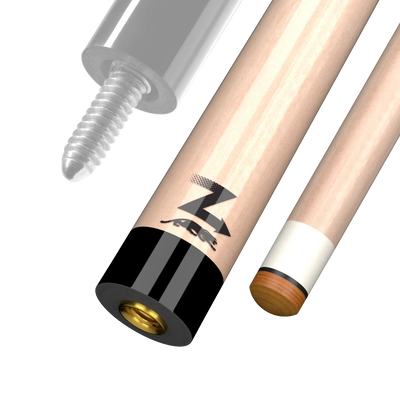
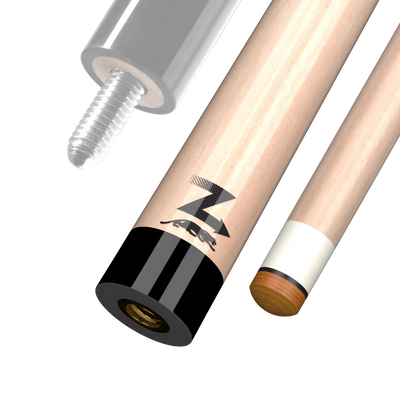
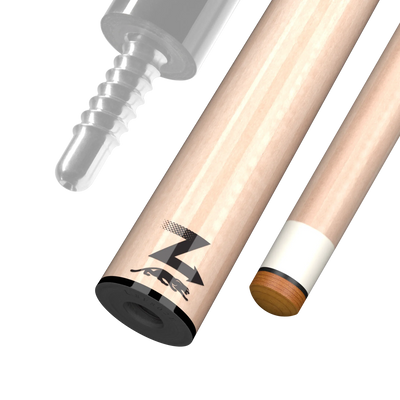
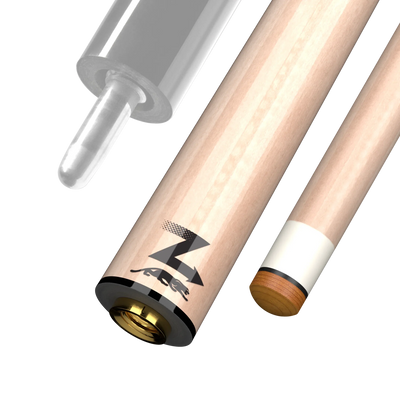
- Z-3 — Thinner profile (12.0 mm) for finesse players who prefer maple.
- Vantage — Stiffer playing shaft with refined construction.
- Centro Hybrid — Newest maple technology; thinner shaft profile with patented Vault Plate technology.
If you specifically want a maple shaft, Predator's maple lineup is the technically advanced option. If you want maximum low-deflection performance, REVO carbon fiber is still the leader.
Decision framework
Ask yourself these questions in order:
1. Will the cue travel with me to tournaments or in varied climates?
- Yes → carbon fiber strongly recommended
- No → either works
2. How important is the "feel" of the hit to me?
- Critical, I love the warmth of wood → maple
- I want maximum consistency and don't care about feel as long as it's solid → carbon fiber
- I haven't decided → try both if possible
3. How long do I plan to own this cue?
- 1-3 years → either works
- 5+ years → carbon fiber's longevity advantage compounds
4. What's my budget?
- Under $400 for the shaft → maple
- $400-$700 for the shaft → either; choose based on feel preference
- $700+ → carbon fiber, with room to choose flagship models
5. How often do I use side-spin?
- Frequently → carbon fiber (lowest deflection)
- Occasionally → either works
- Rarely → maple is fine
Shaft Comparison
REVO vs 314-3 vs Z-3
Three of Predator's most popular shafts compared side by side. Pick by material, feel, and play style.
| Shaft | REVO | 314-3 | Z-3 |
|---|---|---|---|
| Material | Full Carbon FiberAerospace-grade carbon composite — permanently straight, no wood core | Spliced MaplePremium hard maple, iMatch 10-piece splice. | Spliced MaplePremium hard maple, iMatch 10-piece splice. |
| Tip Diameter | 11.8 mm/ 12.4 mm / 12.9 mm | 12.75 mm | 11.85 mm |
| Deflection | Ultra-LowBest deflection of any Predator shaft. | LowMost versatile across all disciplines. | LowLowest deflection of all Predator wood shafts. |
| Stiffness | Very HighInherently stiffer than all wood shafts. | MediumBalanced between Z-3 and Vantage. | LowerSoftest, whippiest feel in the maple lineup. |
| Feel & Feedback | Distinct CarbonCrisp, smooth, consistent in any humidity or temperature. | Classic WoodWarm, organic, familiar feedback. | Soft & ResponsivePrecise and whippy with natural wood flex. |
| Best For | Precision & ConsistencyPlayers who want max consistency in varying conditions. | All-Around VersatilityMulti-discipline players upgrading from a standard shaft. | Spin & PrecisionSpin players who prefer a smaller tip diameter. |
| Climate Sensitivity | ImmuneUnaffected by humidity or temperature; ideal for travel. | SensitiveCan swell or warp in extremes; store in a case. | SensitiveCan swell or warp in extremes; store in a case. |
| Skill Level | All Levels11.8 mm best suited to advanced players. | Beginner to AdvancedIdeal entry point into low-deflection wood. | AdvancedSuits experienced players with its 11.85 mm tip. |
| Starting Price | From $549 | From $359 | From $359 |
Carbon Fiber Vs. Maple Questions
Carbon fiber pool cue shafts are dimensionally more stable than wood, deliver lower cue ball deflection, and last significantly longer — typically a lifetime versus 3-7 years for serious maple shafts. By technical performance measures, carbon fiber outperforms maple in most categories. However, some players prefer the traditional warm feel of wood, and maple remains a valid choice for that reason. Carbon fiber is the right answer for most serious players in 2026, but maple isn't obsolete.
The main difference is dimensional stability. Carbon fiber composite doesn't absorb moisture, doesn't expand or contract with temperature, and doesn't warp over time. Maple wood does all of these things. The practical impact: a carbon fiber shaft plays the same in any climate, on any day, for decades. A maple shaft can shift performance based on storage conditions and age. Secondary differences include lower cue ball deflection on spin shots and longer service life for carbon fiber.
Yes, slightly. Carbon fiber shafts have a crisper, more direct hit than maple. The feedback through the cue is more immediate. Some players describe carbon fiber as feeling 'more connected to the cue ball'; others describe maple as feeling 'warmer' or 'more forgiving.' Within a few weeks of regular play, most players adapt to the feel of carbon fiber and stop noticing the difference. Players who specifically prefer maple's feel often switch back after trying carbon fiber.
For serious players who will own the cue for many years, yes. The longevity alone justifies the price difference — a carbon fiber shaft lasts indefinitely while a maple shaft typically needs replacement every 3-7 years for high-volume players. Add in the consistency benefits (no climate sensitivity) and the lower deflection performance, and carbon fiber pays back its premium over a 5+ year ownership horizon. For casual players or those on tight budgets, maple remains the practical choice.
Usually yes. Carbon fiber shafts are black or very dark grey, while maple shafts are cream or tan colored. You can also sometimes see the carbon fiber weave pattern under close inspection, though most premium carbon fiber shafts have a smooth finish. The visual difference is intentional — players who own carbon fiber cues recognize the look immediately. Some hybrid shafts use carbon fiber elements with wood finishes; those require closer inspection to identify.


